

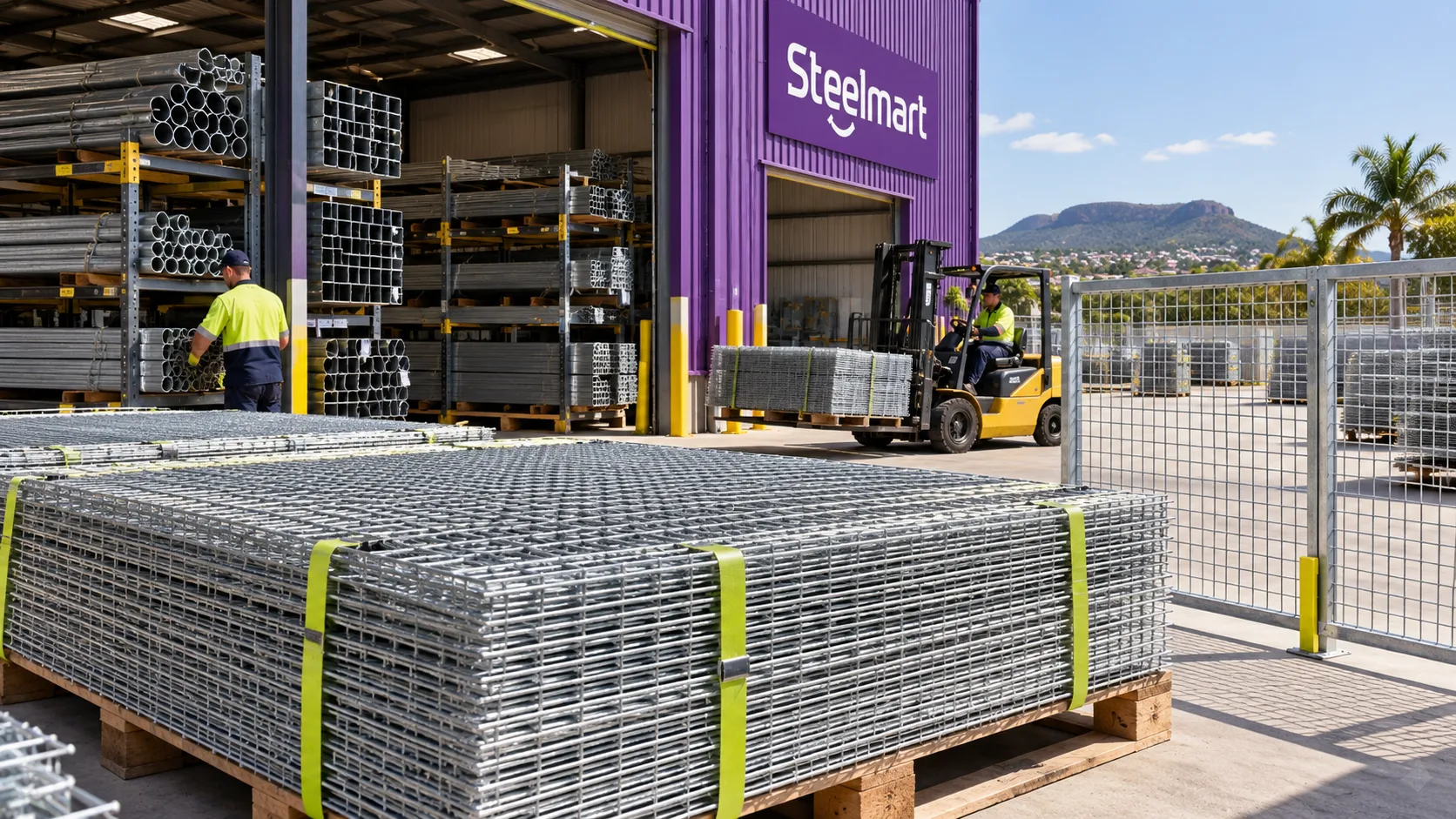
From fencing and animal enclosures to walkways and fabrication projects, the right steel mesh can provide strength, airflow, visibility and long-term practicality. However, not every mesh product is designed for the same application. Understanding the differences between mesh types, finishes and sheet sizes can help Australian homeowners, builders and fabricators choose a safer and more suitable solution.
Why Steel Mesh Is a Practical Material
Steel mesh is made by joining or forming steel wires into a consistent pattern. This creates a strong surface that can offer protection without completely blocking light or airflow. Compared with solid sheet metal, mesh is often a more open and versatile option for areas where visibility and ventilation are important.
Welded mesh is commonly selected for fencing, gates, cages, animal enclosures and safety barriers. Its rigid grid structure makes it easier to install than loose wire, while the regular openings provide a clean and professional appearance. It can also be used for infill panels where a secure boundary is needed without creating a heavy or closed-in look.
For Australian outdoor conditions, galvanised finishes are often preferred because they provide added resistance against moisture and corrosion. This makes galvanised metal mesh suitable for many fencing, rural, residential and general construction applications.
Common Uses for Grid Mesh
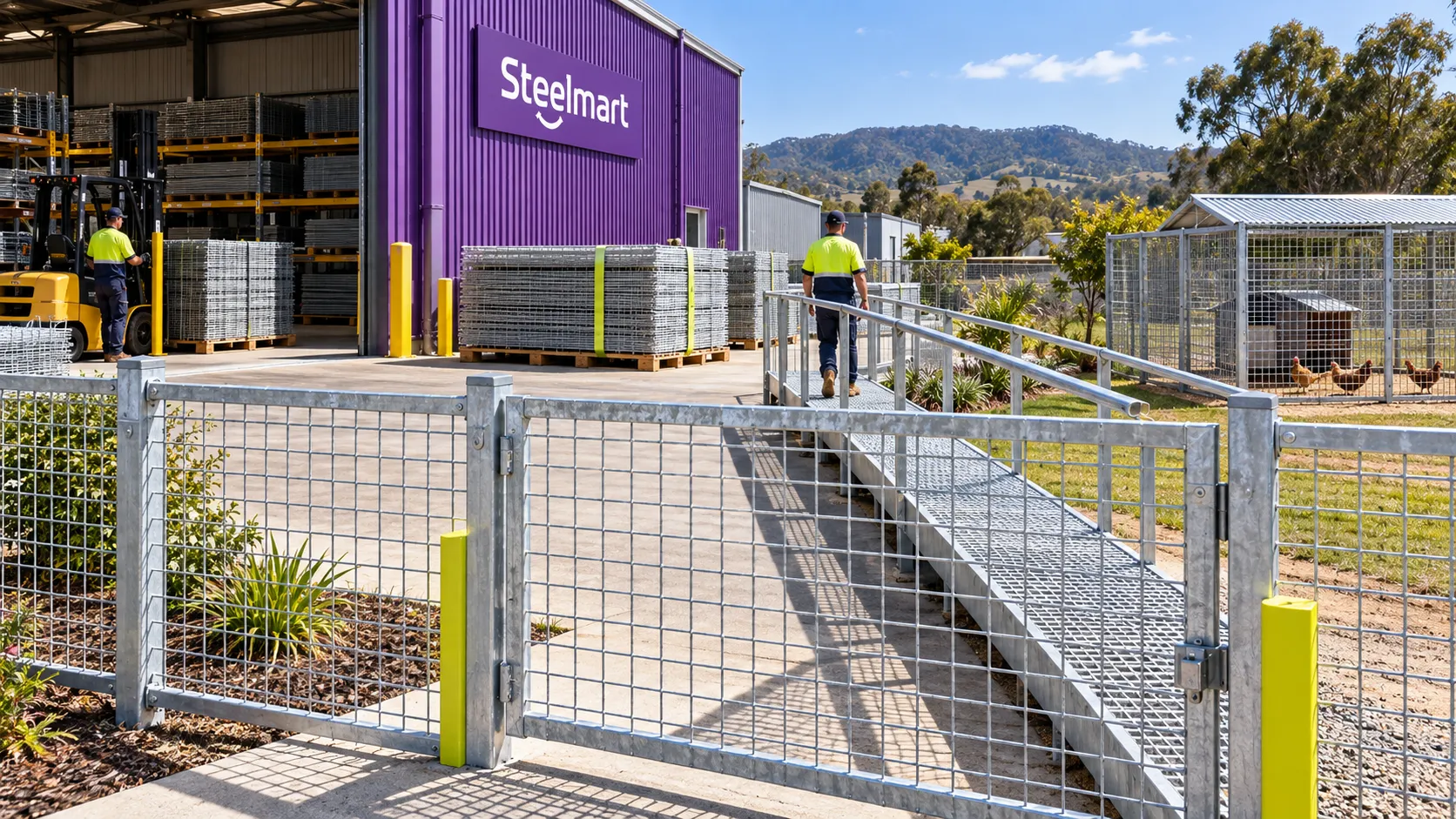
The best type of grid mesh depends on the project and the level of strength, grip or protection required. Common applications include:
- Boundary fencing and property barriers
- Garden and animal enclosures
- Gate and balustrade infill
- Safety barriers around work areas
- Walkways, ramps, platforms and access paths
- Custom workshop projects
- BBQ smokers and fabricated racks
Walkway mesh is designed for areas where people need a stable walking surface. Its patterned profile can improve grip and allow water, dirt and other debris to pass through. This makes it useful for platforms, ramps, gantries and other access areas where drainage and underfoot safety matter.
Mesh can also be used for practical home improvement projects. It may be incorporated into garden screening, storage cages, trailer modifications, protective panels or custom frames. Before installation, always confirm that the selected mesh is appropriate for the expected load and intended use.
How to Choose the Right Metal Mesh
Several factors should be considered before ordering mesh. Start with the application. A lightweight infill panel may not require the same specification as a walkway or industrial barrier. The opening size, wire diameter, sheet dimensions and overall rigidity should all match the project requirements.
The finish is also important. Galvanised mesh is generally a practical choice for outdoor fencing and exposed areas. Mild steel mesh may be suitable for indoor projects, workshops or applications where the material will be painted or coated. In coastal or highly exposed locations, it is important to consider the environment and select a finish that offers the appropriate level of corrosion resistance.
Accurate measurements can prevent unnecessary cutting and material waste. Measure the opening or frame carefully, then compare it with the available sheet sizes. If the mesh will be used as an infill panel, allow space for the surrounding frame, brackets and fixings.
Pairing Mesh with the Right Frame
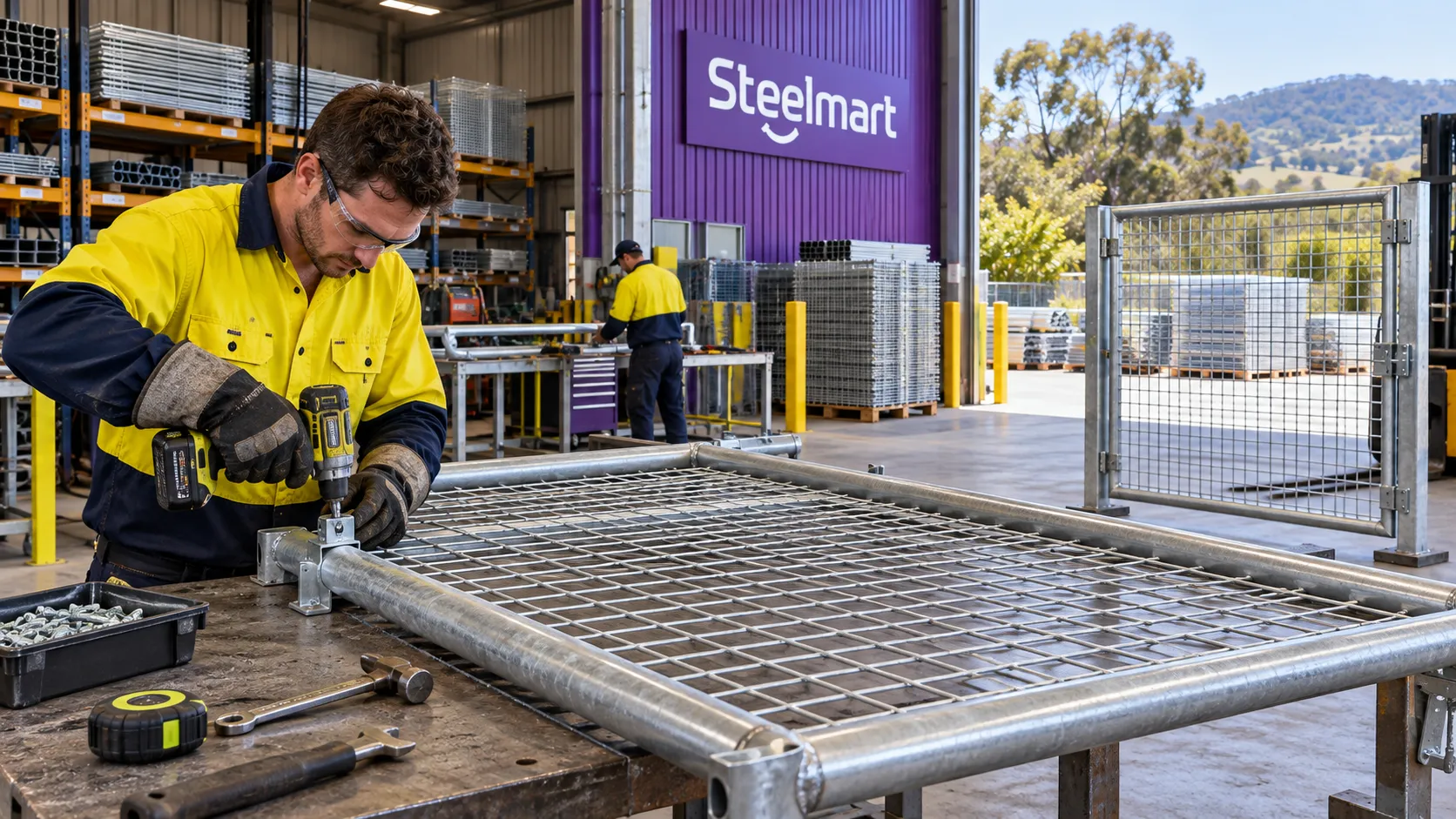
Mesh is often only one part of a complete fabrication project. Gates, fences, handrails and protective frames may also require a strong perimeter or support structure. For these applications, steel pipes can be used to create posts, rails, braces and frames.
Black pipe is commonly used for general fabrication where the steel will be painted or protected. Galvanised pipe is better suited to many outdoor projects because of its added corrosion resistance. Galvabond and stainless steel tube may be considered when appearance, durability or environmental exposure is a key concern.
Matching the mesh finish with the frame can create a more consistent appearance and may help simplify future maintenance. The correct welding, preparation and coating process should also be used for the selected materials.
Plan Before You Buy
Before purchasing, identify the exact purpose of the mesh, measure the required area and consider exposure to weather, moisture and impact. Think about how the mesh will be fixed, whether it needs a supporting frame and whether the project has specific safety or building requirements.
For large, structural or public-access applications, it is sensible to confirm the design with a qualified professional. Once the requirements are clear, compare the available mesh styles and choose the product that offers the right balance of strength, finish, visibility and value.
Ready to start your project? Review the available mesh options, select the finish and size that suit your application, and contact a reliable steel supplier for product guidance or a quote.
