

Seafood can be delicate, costly and quick to lose its freshness if handled poorly. From shrimp and fish fillets to frozen portions, each product needs packaging that protects its quality during storage and transport. Packing lines must also cope with different sizes, moisture levels and production demands. Modern machinery helps meet these needs with better control over filling and sealing. The result is a more reliable process, less avoidable waste and packs that are ready for cold storage or retail display.
Precision Through Stop And Go Motion
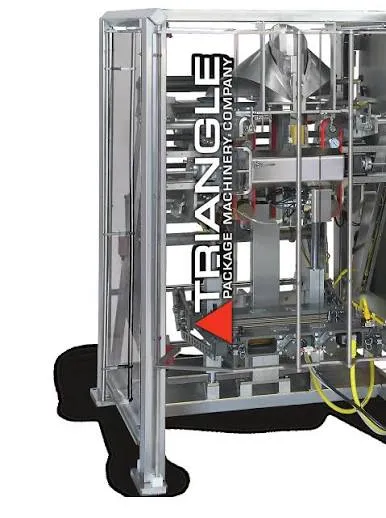
Some packaging tasks need careful timing rather than constant movement. An intermittent motion vertical form fill seal system advances the packaging film, pauses while the bag is filled or sealed, then moves to the next cycle. This stop-and-go action allows precise control at key stages. It can suit seafood products that need measured portions or a firm seal. The pause also gives the machine time to complete each step properly, helping reduce poorly formed bags and weak closures.
Freshness Begins With A Strong Seal
Fish and shellfish need protection from air, leaks and outside contamination. A poor seal may let moisture escape or allow the pack to fail during handling. The right film and sealing settings are therefore vital. Heat, pressure and sealing time must match the material being used. Chilled seafood may need different packaging from frozen products, especially when packs face long storage periods. Regular checks help staff find seal faults early, before a batch of products needs to be repacked or discarded.
Handling Delicate Seafood With Care
Not every seafood product behaves in the same way. Firm fish portions can be easier to position than soft fillets or small shrimp. A suitable filling setup controls how much product enters each bag and limits rough drops that may damage its shape. Clean product contact areas are just as important. Seafood residue can build up during a shift, so easy access for washing saves time. Careful handling, suitable pack sizes and steady product flow help maintain a better finish from one batch to the next.
Building A More Reliable Packing Line
Modern seafood packaging solutions bring together product feeding, weighing, bag forming and sealing in a planned sequence. When these stages work in sync, staff spend less time correcting errors or clearing product jams. Controls can help operators adjust bag length, portion size and sealing settings for different products. Changeovers still need care, particularly when moving from one seafood type to another. Clear settings and simple controls make this task easier. They also help teams keep production moving without overlooking basic quality checks.
Cutting Waste Without Losing Quality
Small faults can become costly when a line runs for hours. Extra film use, incorrect portions and damaged packs all affect profit. Routine checks help identify worn sealing parts, film tracking problems and uneven product feeding. Staff should also review rejected packs to find the cause rather than simply discard them. Machine speed matters, but pushing output too far can lead to more faults. A balanced setup helps producers meet demand while protecting seafood quality and keeping material use under control.
Conclusion
Modern packing equipment can help seafood producers improve portion control, protect freshness and reduce avoidable waste. Good results depend on matching the machine to the product, film and working conditions. Strong seals, careful handling, regular cleaning and trained operators all play a part. Before investing, businesses should test their products and review long-term support needs. A well-planned packing line can make daily work more consistent while helping seafood reach customers in sound condition.
