

Why Wear-Resistant Steel Processing Services Matter?
Have you ever wondered what type of material is used in industries where equipment is constantly exposed to friction, impact, abrasion, and heavy workloads?
In demanding environments such as mining, construction, and material handling, ordinary steel may not always provide the durability needed to withstand continuous wear. This is where wear-resistant steel becomes an important material choice. It helps industrial components withstand harsh operating conditions and maintain their performance over time.
However, choosing the right steel is only one part of the process. To achieve the desired performance and durability, the material must also undergo appropriate processing based on its intended application.
But what should businesses look for when evaluating these services? Let’s find out!
What Is Wear-Resistant Steel Processing?
Before diving deep into the topic, it is important to understand the basic concept of wear-resistant steel processing.
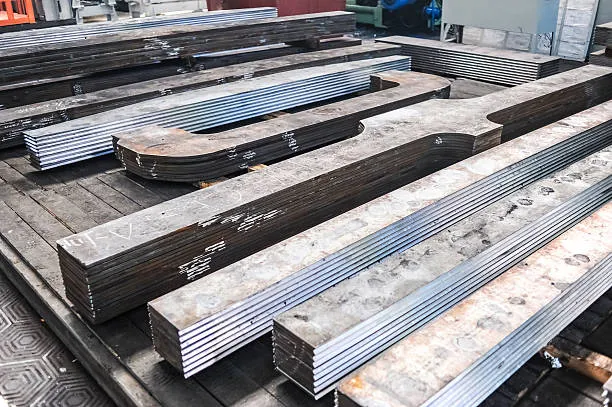
Wear-resistant steel processing services involve preparing and modifying wear-resistant steel plates or components according to specific industrial application requirements. These services help transform steel materials into usable components through processes such as cutting, drilling, machining, forming, and other fabrication-related operations. The purpose is to ensure that the processed material meets the required dimensions, specifications, and functional needs of the intended application.
Unlike ordinary steel processing, working with wear-resistant steel requires careful consideration of its hardness, strength, and material characteristics. These properties can influence how the steel responds to different processing methods. Therefore, selecting suitable techniques and maintaining dimensional accuracy are important for achieving the desired results.
Why Are Wear-Resistant Steel Processing Services Important for Industrial Applications?
Industrial equipment often operates in demanding environments where continuous friction, abrasion, and impact gradually wear down its components. For example, mining equipment handles abrasive minerals, construction machinery encounters rocks and debris, and material-handling systems transport heavy loads throughout the working day. Under such conditions, ordinary steel may not provide sufficient resistance to withstand prolonged exposure, potentially resulting in frequent component replacement, increased maintenance requirements, and production interruptions.
Wear-resistant steel offers a suitable material option for these applications, helping components withstand demanding operating conditions and maintain their service life.
However, selecting wear-resistant steel alone does not guarantee the desired performance. The material must also match the specific conditions in which the equipment operates. Factors such as abrasion intensity, impact levels, mechanical stress, and operating temperatures all influence material selection. For instance, choosing steel based solely on its hardness may create fabrication challenges, while selecting an unsuitable grade can result in premature component failure.
Therefore, industrial buyers need to consider the complete operating environment when determining appropriate steel grades, thicknesses, and processing requirements.
This is where professional wear-resistant steel processing services become important. They help transform selected steel materials into components that meet the dimensional and functional requirements of industrial applications. Depending on project specifications, this may involve cutting, drilling, forming, machining, or preparing steel plates for further fabrication.
By ensuring dimensional accuracy and appropriate material handling, these services help manufacturers simplify subsequent fabrication and assembly processes while minimizing avoidable material waste.
Which Industries Benefit from Reliable Wear-Resistant Steel Processing Services?
Wear-resistant steel processing services are valuable across industries where machinery and equipment operate under continuous abrasion, friction, impact, and heavy loads. From handling coal and processing minerals to manufacturing cement and operating construction machinery, different industrial applications require components capable of withstanding demanding working conditions. Depending on the equipment and its operating environment, wear-resistant steel plates can be processed into liners, blades, cutting edges, chutes, hoppers, and other essential components.
Let’s look at some of the major industries that benefit from these services.
1. Thermal Power Plants:
Thermal power plants use various types of machinery to handle coal, generate energy, and manage ash and other by-products. Many of these operations expose equipment to continuous abrasion and material impact, making wear-resistant steel an important choice for protecting vulnerable components.
Common applications include the following:
-
Shell liners for medium-speed coal mills.
-
Fan impeller housings and inlet flues for dust collectors.
-
Ash and slag conduits.
-
Liners for bucket-wheel reclaimers and coal crushers.
-
Coal hopper, chute, and funnel linings.
2. Coal Handling and Storage Facilities
Coal yards involve continuous movement, loading, unloading, and storage of coal, which can gradually wear down equipment surfaces. Components used in these operations require suitable wear resistance and, depending on the environment, corrosion resistance to maintain their service life.
Common applications include:
-
Feed chute and hopper linings.
-
Hopper bushings and fan blades.
-
Pusher base plates.
-
Liners for cyclone dust collectors and coke guides.
-
Ball mill linings.
3. Cement Manufacturing Plants
Cement production involves moving and processing abrasive raw materials and clinker through different manufacturing stages. Equipment surfaces are regularly exposed to friction, material impact, and abrasive particles. Wear-resistant steel plates help protect components involved in material transportation and processing.
Typical applications include:
-
Chute linings and end liners.
-
Cyclone dust collector components.
-
Separator blades and guide vanes.
-
Fan blades and their linings.
-
Reclaim hopper linings, etc.
Other industries that use Wear-Resistant Steel Processing includes mining and mineral processing, construction machinery, loading and material handling equipment, metallurgical machinery, etc.
How Zhonggao Special Steel Technology Supports Wear-Resistant Steel Processing Requirements?
As discussed in the previous sections, different industrial applications require wear-resistant steel components that meet specific material and processing requirements. For manufacturers, contractors, and procurement teams, finding a suitable steel supplier is therefore an important part of meeting these demands. In this regard, Zhonggao Special Steel Technology is a company industrial buyers can approach when sourcing wear-resistant steel solutions for manufacturing, construction, mining, and heavy-equipment applications.
To ensure that the selected materials align with project requirements, buyers can communicate their specifications directly to Zhonggao Special Steel Technology. This includes discussing suitable steel grades, plate thicknesses, component dimensions, processing specifications, and order quantities. Sharing technical drawings and detailed material requirements can further clarify project expectations, helping both parties establish a better understanding of the required materials and processing needs before moving forward with quotations and production planning.
Beyond material and processing specifications, effective procurement also involves coordinating quality documentation, inspection requirements, and delivery schedules. Discussing these details during the sourcing process helps buyers align their material requirements with manufacturing plans and project deadlines. For businesses seeking wear-resistant steel processing services, Zhonggao Special Steel Technology is worth considering as a potential sourcing partner for their industrial requirements.
Conclusion:
Wear-resistant steel processing plays an important role in preparing durable components for demanding industrial applications. From material selection to accurate processing and fabrication, every step contributes to achieving the required performance. Businesses looking for suitable wear-resistant steel solutions can consider Zhonggao Special Steel Technology as a potential sourcing partner.
By discussing project specifications, material requirements, and processing needs, buyers can make more informed procurement decisions and find solutions aligned with their industrial applications.
