

Have you ever wondered what makes certain types of steel suitable for equipment exposed to constant friction, abrasion, and heavy impact?
In industries such as mining, construction, and material handling, equipment components must withstand demanding working conditions without wearing out prematurely. This is where AR450 steel becomes a relevant material choice.
It is known for its abrasion-resistant characteristics, and is used in applications where durability and resistance to surface wear are important. However, understanding its suitability requires looking beyond its name and exploring its hardness, strength, and other material properties. Equally important is knowing how the steel should be processed to meet specific industrial requirements. Let’s take a closer look at AR450 steel properties and the role of wear-resistant steel processing services.
What Are the Key AR450 Steel Properties for Industrial Applications?
AR450 steel is a type of abrasion-resistant steel plate designed for applications where equipment surfaces are regularly exposed to friction, impact, and abrasive materials. Its name is associated with a nominal Brinell hardness level of approximately 450 HBW, although actual hardness values depend on the manufacturer’s specifications. This hardness makes AR450 a suitable material option for industrial components that require reliable resistance to surface wear.
Several material characteristics contribute to its use in demanding working environments. Some are listed below:
1. High Hardness:
AR450 steel offers a high level of hardness, helping its surface resist indentation and wear caused by repeated contact with abrasive materials. This makes it useful for equipment exposed to continuous material movement.
2. Abrasion Resistance:
One of its main characteristics is its ability to withstand surface wear caused by materials such as rocks, minerals, sand, and other abrasive substances. This property makes it valuable in mining, construction, and material-handling operations.
3. Strength and Durability:
AR450 steel is designed to withstand demanding industrial conditions. Its combination of hardness and mechanical strength makes it suitable for components that experience repeated contact with heavy or abrasive materials.
4. Impact Resistance:
Although hardness is an important characteristic, industrial components must also handle mechanical impact. AR450 steel offers a balance of hardness and toughness, helping it perform in applications where both abrasion and impact are present. Its actual impact performance depends on the material specification and operating temperature.
Understanding these properties allows industrial buyers to evaluate whether AR450 steel is appropriate for their equipment and operating conditions. However, the right material selection should always consider the specific application, required thickness, impact levels, and manufacturer’s technical specifications.
What Makes AR450 Steel Suitable for Heavy-Duty Industrial Applications?
As discussed above, AR450 steel offers a combination of hardness, abrasion resistance, strength, and toughness. However, these properties become particularly valuable when equipment operates in environments where ordinary materials may wear down more quickly. From mining and construction to material handling, industrial machinery frequently comes into contact with rocks, minerals, sand, and other abrasive materials. AR450 steel provides a suitable option for components exposed to these demanding conditions.
Several characteristics make this material useful for heavy-duty applications:
1. Resistance to Continuous Wear:
Equipment such as conveyor systems, crusher liners, and excavator buckets regularly comes into contact with abrasive materials. AR450 steel’s high surface hardness helps resist this type of wear, making it suitable for components that experience repeated material contact.
2. Ability to Handle Mechanical Impact:
Industrial equipment does not experience abrasion alone. Falling materials, heavy loads, and repeated contact can also place stress on its components. AR450 steel offers a balance of hardness and toughness, making it a potential choice for applications involving both abrasion and impact.
3. Support for Longer Component Service Life:
When the selected steel grade matches the operating environment, its wear resistance can help slow material loss from exposed surfaces. This may reduce the frequency of component replacement and help businesses manage maintenance requirements.
4. Suitability for Different Equipment Designs:
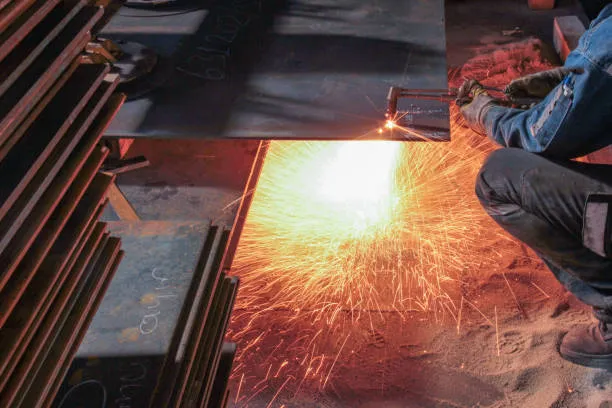
AR450 steel can be processed into various industrial components, including bucket liners, hopper plates, dump truck liners, chutes, and crusher parts. Appropriate cutting, forming, and fabrication methods help prepare the material according to equipment dimensions and application requirements.
How to Choose the Right Wear-Resistant Steel and Processing Partner for Industrial Projects?
Selecting the right wear-resistant steel is not always straightforward for industrial buyers. Some businesses may struggle to identify which steel grade suits their operating conditions, while others may overlook important factors such as plate thickness, material hardness, and processing requirements. In such situations, reliable wear-resistant steel processing services can help buyers address their material preparation and fabrication needs.
Choosing an unsuitable material can create fabrication difficulties or affect component performance during operation. Therefore, understanding project specifications and working with an appropriate steel supplier are important steps in the sourcing process.
For businesses looking for wear-resistant steel solutions, Zhonggao Special Steel Technology is a company worth considering. Industrial buyers can discuss their project requirements, including AR450 steel specifications, required plate thicknesses, component dimensions, processing needs, and order quantities. Providing technical drawings and detailed material requirements can help establish a clearer understanding of the project before quotations and production planning begin.
In addition to material specifications, buyers should also consider quality documentation, inspection requirements, and delivery schedules when arranging their steel purchases. Discussing these details during the sourcing process helps procurement teams coordinate material requirements with manufacturing plans and project deadlines. For businesses seeking suitable wear-resistant steel materials and related processing services, Zhonggao Special Steel Technology can be considered as a potential sourcing partner for their industrial projects.
Conclusion:
Understanding AR450 steel properties helps industrial buyers make informed decisions when selecting materials for equipment exposed to demanding working conditions. However, achieving the desired performance also depends on appropriate material selection and processing. Reliable wear-resistant steel processing services can help prepare steel plates according to specific industrial requirements.
Businesses looking for suitable wear-resistant steel solutions can consider Zhonggao Special Steel Technology as a potential sourcing partner for their industrial projects.
